Navigating the Central Asian Link: Uzbek Translation
Uzbek sits at an interesting crossroads in the world of languages. It carries a long cultural history, but it also lives in transition: between older records and newer ones, between Cyrillic and Latin, and often between local administrative wording and the much stricter expectations of U.S. reviewers.
That makes these translations more delicate than they first seem. A birth certificate is not just a certificate. A diploma is not just a diploma. Each one is a bridge between systems that categorize identity, education, and legal status differently. When the bridge is weak, confusion follows.
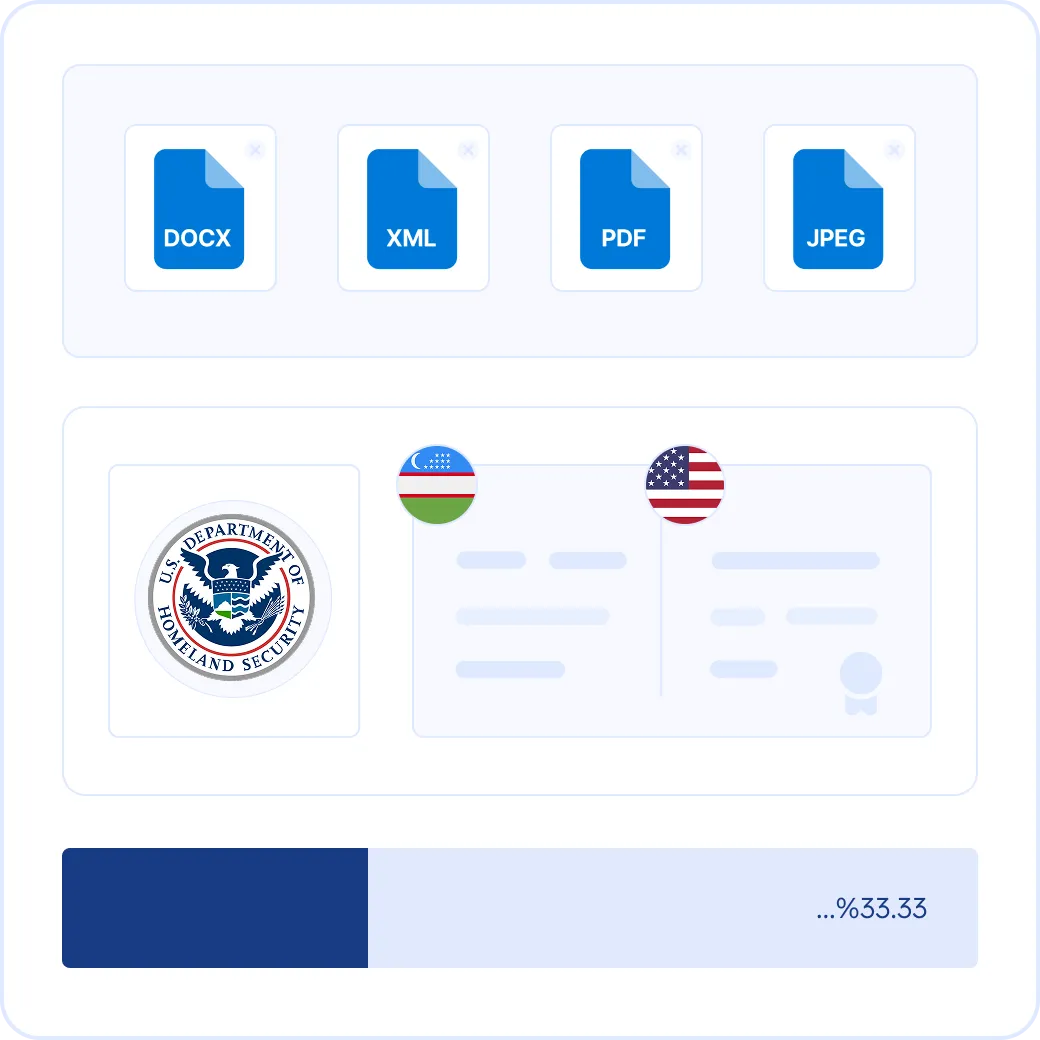
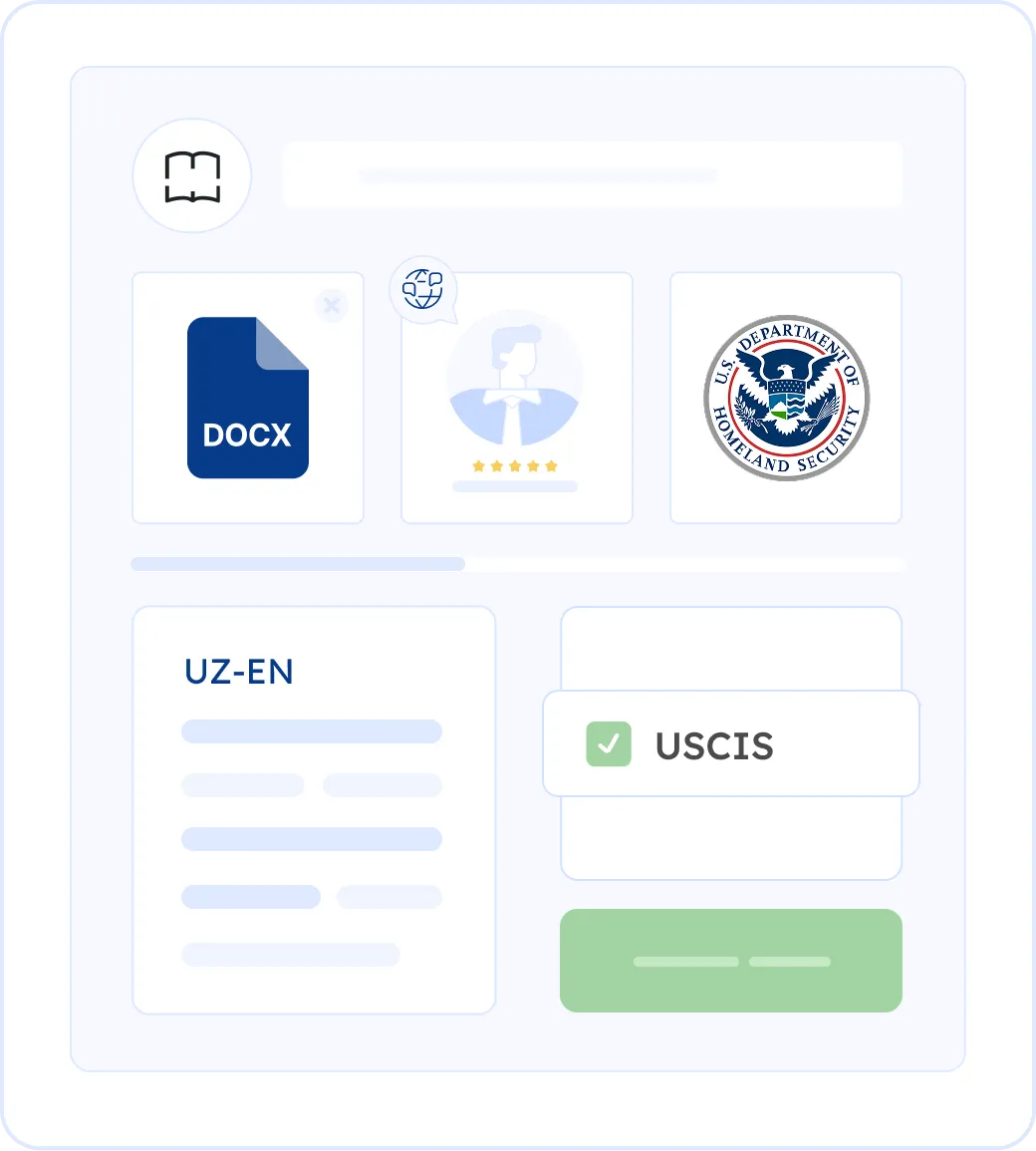
That is why we pay close attention to how Uzbek documents actually function on the page. Some require transliteration discipline. Others require sensitivity to older formats or mixed naming conventions. The goal is not just to translate the record into English, but to make it readable, coherent, and dependable for the person reviewing it on the other side. And USCIS officials care deeply about this.